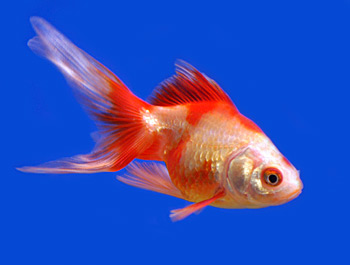
LionheadProfile of the Lionhead
This Profile contains interesting facts and information about the Lionhead species. Size: 13cm Diet / Feeding: Commercial Dried Fish Food Flakes Temperament: Not Aggressive, good community fish Habitat:Outdoor Pond or Coldwater Tank Behaviour: Slow Swimmer
Scientific Classification of the Lionhead
Definition: Scientific classification, or biological classification, is how biologists group and categorize species of organisms with shared physical characteristics. Scientific classification belongs to the science of taxonomy. Interesting Facts and Information - How do you identify the sex of a Lionhead?
The males and females of many fish species have different colors or different shaped bodies. But there are also other fish species where there is no visible difference. Its sometimes tricky being an ichthyologist!
Interesting Facts and Information - Why are Lionhead slimy?
Lionhead secrete a type of mucus, or slime, from their skin. This slime provides protection against parasites and infections and helps the Lionhead to move through the water faster. Some fish species also release toxins in their slime which ward off enemy attacks. Other fish species use their slime to feed their young.
Interesting Facts and Information - Why do Lionhead have gills?
Gills enable the Lionhead to breathe. Gills consist of thin sheets of tissue containing blood vessels. As water passes over the gills oxygen is absorbed into the blood stream Carbon dioxide passes out into the water. The gills are protected by a large bony plate called an operculum. Some fish species however have lungs and breathe air.Interesting Facts and Information - Why do the Lionhead have fins?
A fin is an external appendage or "limb" of a fish. Fins are used for directing, stabilizing, or propelling the different fish species in water. Numbers of fins vary between fish species, but there are usually seven. Each of the fins on a fish are designed to perform a specific function: Ventral fins. The ventral fin is located on the pelvic area of fishes. The Lionhead has Ventral fins to lend stability in swimming. Caudal fins. The Caudal fin is located on the tail area of fishes. The Lionhead has Caudal fins to propel through the water. Pectoral fins. The Pectoral fin is located on the breast area of fishes. The Lionhead has Pectoral fins to for locomotion and side to side movement
Interesting Facts and Information about Lionhead
|