Sea Anemones - Beautiful Pictures, Videos, Facts and Information
The site that provides beautiful photographs, videos and pictures of numerous sea anemones together with interesting facts and information about each sea anemone. The fish species detailed are Tropical, Saltwater, Aquarium, Marine, Pet, Pond, Clown, Koi, Beta (Betta), Gold Fish (Goldfish), Star, Angel, Puffer, Discus, Piranha, Rainbow, Parrot, Crustaceans, Sea Anemones and Coral. Check Out Our Fish Videos!
|
Interesting Information about Sea Anemones
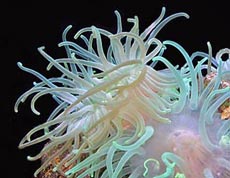
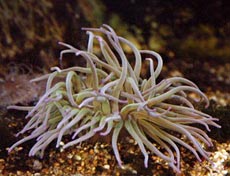
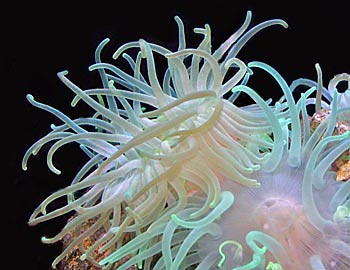
Sea Anemones are named after the Anemone flower. They are a predatory animal that releases a toxin to paralyse its prey. The prey is then moved into the anemones gastro vascular cavity. The poison secreted by a sea anemone affects fish and crustaceans. The Clown Fish or Anemonefish however has a mutually symbiotic relationship with the sea anemone, they are not affected by its poison and live among its tentacles, indeed laying their eggs on the anemone itself. The clownfish uses the sea anemone as a form of defence from larger predators. |