 | Fish Species |
Fish Species - Beautiful Pictures, Videos, Facts and Information
The site that provides beautiful photographs, videos and pictures of numerous fish species together with interesting facts and information about each species. The species detailed are Tropical, Saltwater, Aquarium, Freshwater, Marine, Pet, Pond, Clown, Koi, Beta (Betta), Gold Fish (Goldfish), Star, Angel, Puffer, Discus, Piranha, Rainbow, Parrot, Crustaceans, Sea Anemones and Coral. Check Out Our Fish Videos!Interesting Information about Fish Species
There are over 32,000 different fish species in the world. A person who studies different fish species is called an ichthyologist. So welcome to all ichthyologists! There are links to sections of the most popular species. Each one of the individual species we have featured provides interesting facts, information and stunning photographs and videos. A great resource for identifying different types of fishes and their species together with useful facts and information. All fish species are vertebrates (have a backbone) and most breathe through gills and have fins and scales. Many species also have a variety of protrusions or spines on the head.
|
|
| Interesting Fish Species Information and Facts - How are different fish species identified?
The colours, shapes and sizes of individual fishes varies enormously - you really need excellent quality pictures or photographs to assist in the identification process. A combination of the number of fins and their characteristics, color, scale counts, general features, maximum length and distribution are used during a species identification process. The species detailed on this website are Tropical, Saltwater, Aquarium , Marine , Pet , Pond, Clown, Koi, Beta (Betta), Gold Fish (Goldfish), Star, Angel, Puffer, Discus, Piranha, Rainbow, Parrot, Crustaceans, Sea Anemones and Coral. Interesting Information and Facts - How do you identify the sex of a particular species?
The males and females of many fish species have different colors or different shaped bodies. But there are also other species where there is no visible difference. Its sometimes tricky being an ichthyologist!
Information about Fins - Did you know that each fin has a specific function? |
Fish Species
|  | The dorsal fin is located on the back of the fish and it helps to keep the fish stable while swimming
| | Caudal fins are located on the tail area of fishes and they help to propel the fish through the water
| | The Pectoral fin is located on the breast area of a fish and they are used for locomotion and side to side movement
| | Fins include: Dorsal, Ventral, Caudal, Anal, Pectoral, Adipose and Cephalic |
| |
Interesting Information and Facts - Why do most fish species have gills?
Gills enable most fish species to breathe. Gills consist of thin sheets of tissue containing blood vessels. As water passes over the gills oxygen is absorbed into the blood stream Carbon dioxide passes out into the water. The gills are protected by a large bony plate called an operculum. Some species, however have lungs and breathe air. Interesting Information and Facts - Why do different species have fins?
Fish usually have seven fins. Each of the fins on a fish are designed to perform a specific function: Dorsal fins - The dorsal fin is located on the backs of fishes. Dorsal fins lend stability in swimming
Ventral fins - The ventral fin is located on the pelvic area of fishes. Ventral fins lend stability in swimming
Caudal fins - The Caudal fin is located on the tail area of fishes. Caudal fins propel through the water
Anal fins - The Anal fin is located on the anus area of fishes. Anal fins lend stability in swimming.
Pectoral fins - The Pectoral fin is located on the breast area of fishes. Pectoral fins are for locomotion and side to side movement
Adipose fins - The Adipose fin is an extra fleshy fin on the back behind the dorsal fin as in salmons, smelts, and lanterns to lend stability in swimming
Cephalic fins - The cephalic fin are the "horns" of manta rays and close relations |
Fish Species - Facts
Interesting Information and facts on different species
How are the different fishes species identified? Why are they slimy? Important facts and info - How do you identify the sex of a particular species? Species Facts and Info - Why do most have gills? - Why do different species have fins? Tropical Species, Saltwater Species, Freshwater Fish Species, Aquarium Fish Species, Marine Fish Species, Pet Species, Pond Species, Clowns, Kois, Betas (Bettas), Gold Fish (Goldfish), Star, Angels, Puffers, Discus, Piranhas, Rainbow, Parrots, Crustaceans, Sea Anemones, Corals.
Did you know that....
| Jellyfish are composed of more than 90% water | | There are over 80 species of seahorse | | Fish do not have vocal chords but they can make sounds! The Oyster toadfish for example uses its swim bladder to produce a loud wailing sound which has been compared to the sound of a foghorn! | | Anableps are known as four-eyed fish! In fact they only have two eyes but each eye has two pupils so they can see above and below the water a the same time |
Fish Species - Facts
Did you know... | The Box Jellyfish is one of the most venomous creatures in the sea, the toxins from its venom attacks the nervous system, heart and skin! | | Over 32,000 different species of fish have been identified and more fish species are being discovered and identified every day! | | The plural of the word fish is fishes, however when describing more than one fish of the same species, the word fish is still used instead of the plural! An example would be 20 Puffer Fish, not 20 Puffer Fishes! | | The Female seahorse lays her eggs in a special pouch on the male seahorse's stomach, he then takes care of the eggs until the baby seahorses hatch |
|
| Angelfish breed for life. If one of the pair dies, the other will not breed again! | | Some fish are not good for community tanks! Ask your local pet store before you buy new additions for your tank | | The Stygotantulus stock is the smallest Crustacean in the world, measuring less than 0.1mm in length! | | Angelfish can become aggressive towards other fish and even eat smaller fish such as Neon Tetras! | | Someone who studies different fish species is called an ichthyologist |
| |
There are different species found all over the world, we have tried to include as many aquatic species as possible on this website |
Facts About Fish Species
Species Fact 1: A goldfish can live for up to ten years
Species Fact 2: The Piranhas teeth are sharp enough to cut through a steel fishing hook!
Species Fact 3: The rainbow fish is considered an ideal species for the beginner, they are hardy and integrate well with most aquarium fish species
Species Fact 5: The Red Bellied Piranha has the most fearsome reputation
Species Fact 6: A lobsters teeth are in its stomach, an area called the ‘gastric mill’
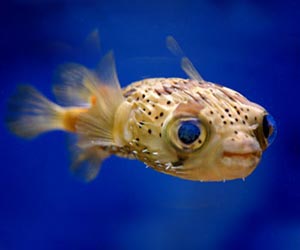
Species Fact 7: When threatened, the puffer fish can inflate itself up to three times its normal size! |
Fish Species | Hundreds of Beautiful Pictures | | Check out the videos on our YouTube Channel! | | Amazing facts about all types of aquatic species | | Fantastic Videos! | | Information on habitat and specific conditions required for each species | | PH levels, Temperature and tank size | | Check out the information on each species! |
| |
|
|
|